Periods Don’t Stop When Disasters Occur
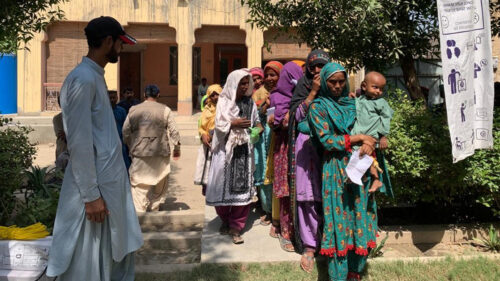
The recent flooding in Pakistan was unprecedented—affecting 6.4 million people and damaging or destroying over 1,400 health facilities…
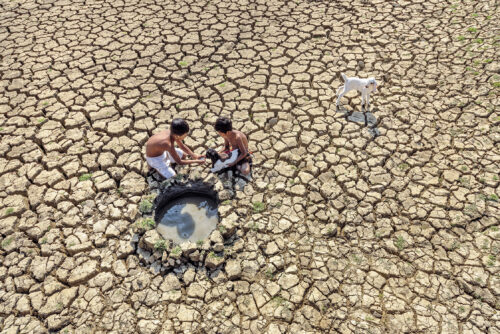
"It is either time to bolster drought indicators and better define action tied to early warning systems, or rethink aid frameworks altogether."
WASHINGTON, D.C., Jan. 27, 2026 — The Trump Administration’s new Promoting Human Flourishing in U.S. foreign assistance policy, as currently…
InterAction, the leading alliance of international non-governmental organizations (NGOs) and partners in the United States, issued the following statement in response to recent staffing reductions impacting USAID.
Surging bureaucratic and administrative impediments (BAI) across Latin America are an increasing challenge to humanitarian access and a barrier to…
Two major climate trends are reshaping the humanitarian landscape: the increasing frequency of acute, high-cost disasters and…
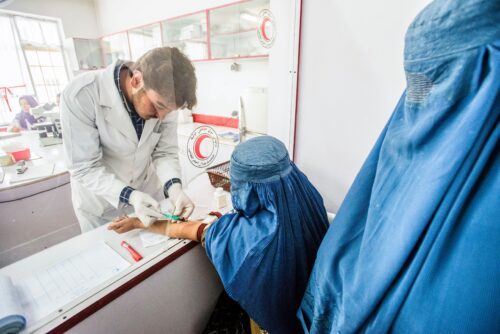
Nearly three years after the change in power in Afghanistan, women and girls are being left behind as little to…
After decades of conflict, instability, poverty, and natural disasters, one in two people living in Afghanistan suffer from psychological distress.
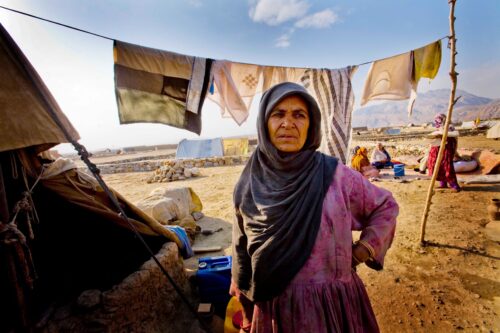
After the Taliban became Afghanistan’s de-facto authorities in August 2021, over 600,000 displaced Afghans sought refuge in…
Three years on from the Taliban takeover of Afghanistan, the humanitarian situation has deteriorated significantly, leaving over 23 million people in need of shelter, healthcare, education, and livelihoods. Non-governmental organizations (NGOs) continue to provide lifesaving support to Afghans across the country despite an increasingly challenging operational environment and decreased funding from donors.