Latest Blog Entries

New Ideas From Rural India: Growing Food Without Land

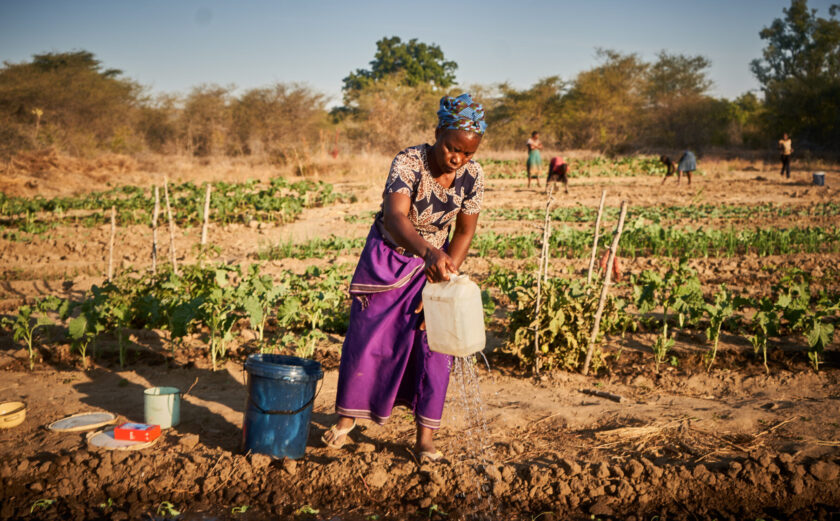
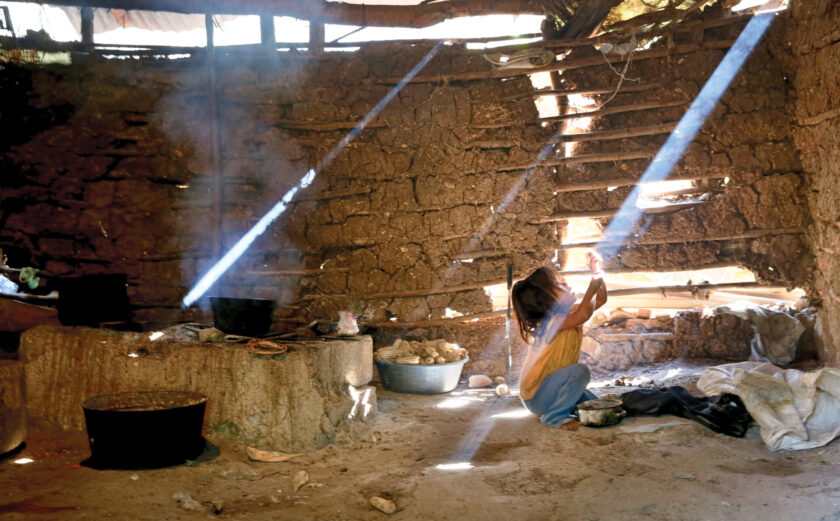
There are two ways of looking at development. You can look at what communities don’t have – this is the deficit-based approach, what they don’t have, what you can bring in. On the other hand, our approach is, “What do the communities have?” They are hard working, they might have some natural resources, they have an affinity for their own environment and a historical knowledge of it. How do you use these strengths to help them adapt to the modern challenges of coping with livelihoods and dealing with health and education issues?

The World's Aging Population is an Opportunity for the Economy - Not Simply a Burden on It

When I travel to see HelpAge International’s work in over 70 countries, I see that farmers are older people. When I look at who is raising children, I see again that it is older people.

Assets-Based Approaches Vs. A Culture Of Need

The vast majority of the world’s population is extremely dependent on other people and institutions to provide them with the wherewithal to expand, grow, develop and prosper.  We rely on doctors to cure us, on teachers to help us learn, on clerics to guide our spiritual thinking, on governments to provide us with services and opportunities, on employers to guarantee our financial security and on councilors to assist us through difficult times.  All of these have an important place in our lives, but the level of dependency which we allow dominate our lives needs to be examined.  If this leve

Many Ways To Fight Poverty

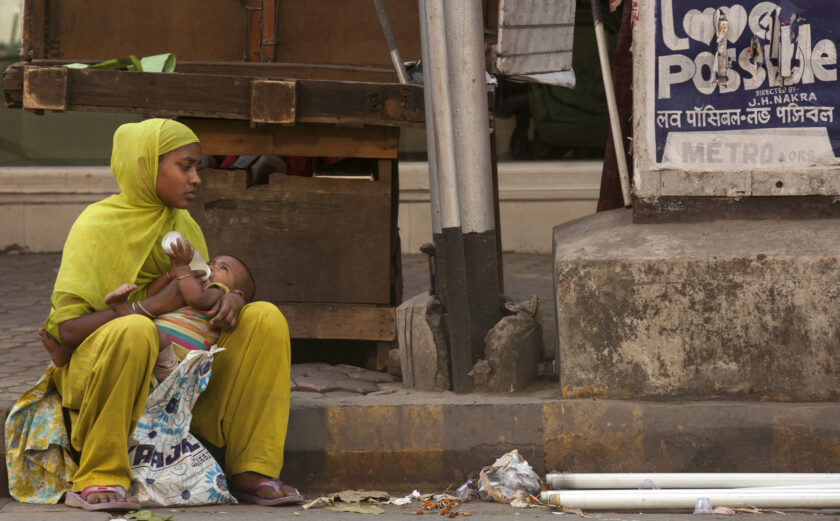
This Wednesday, Oct. 17, is the UN’s annual International Day for the Eradication of Poverty. This week we’ll be showcasing several blogs from InterAction members on their work around the world.

Civil Society Input Sought on Post-2015 Agenda

The development framework that will replace the Millennium Development Goals (MDGs) after 2015 is already being mapped out – and civil society groups should plug in now to get their priorities included in the deliberations, panelists at an InterAction event said this week.

Help Refugees From Syria With The Power Of Social Media

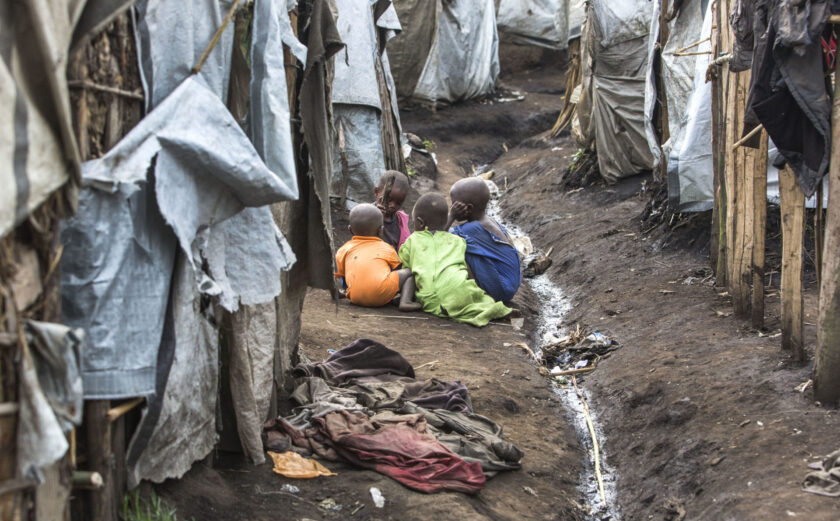
Over 310,000 people have now crossed Syria’s borders in desperate search of safety. More than 220,000 of them are women and children.

It’s hard for us – an ocean and world away – to truly understand the misery. UNHCR Special Envoy Angelina Jolie saw the suffering firsthand.

Watch her fight back tears as she speaks about the sorrows of Syrian refugees.

Women And Girls Reduce Disaster Risk Every Day

October 13 marks the International Day for Disaster Reduction. On this day, we at USAID pause to reflect on everything done to prevent or reduce the damage caused by natural hazards like earthquakes, floods, droughts and storms. This year, together with the international community, we pay extra attention to the role played by women and girls around the world to keep their loved ones safe from harm, not just today or tomorrow, but every day.

Community Resilience

How, in today’s world of increasing urbanization, can we better prepare for increasingly frequent natural disasters and extreme weather events? One answer is to focus on communities, said speakers at a recent event dubbed Cities and Climate Change Adaptation: What We Can Learn About Resilience from Those Living on the Edge. When people living in a neighborhood trust and rely on each other enough, evidence shows that they work together and rebuild more quickly after a disaster.

Learning From AIDS: Responding To Noncommunicable Diseases

As executive director of UNAIDS from 1994 to 2008, I was privileged to have a front row seat at one of the great global health struggles of modern times. Although our work against AIDS is far from finished, we have stabilized the pandemic and started to imagine a world without AIDS.

Unfortunately, the same is not true of noncommunicable diseases (NCDs) like cancer, cardiovascular disease, chronic respiratory disease and diabetes, which cause nearly two out of three deaths in the world (80 percent of those in developing countries).

Food Is Linked To NCDs ... And Producers Must Respond

We live on a planet where 925 million people are hungry, and 1.4 billion are overweight.

Both of these horrifying situations have to do with food insecurity. For many years, most people thought of food insecurity as being about hunger caused by an insufficient quantity of food, but this is no longer always the case.

Increasingly, programs must include those who are getting excess energy and insufficient vitamins, minerals and dietary fiber from the wrong kinds of food or an imbalanced diet.

Pages

Subscribe to Latest Blog Entries