Latest Blog Entries

It's Time to Move from Rhetoric to Action on Aid Transparency

Today, transparency is thought to be as essential for effective development as gender equality or local ownership. Without transparency, real accountability is impossible. Without accountability, it is difficult to achieve meaningful, lasting results.

Honoring Our Fallen

Every year since 2006, InterAction has honored aid workers from among our member organizations who have lost their lives helping others. We display their names on a memorial that stays in our main conference room year-round.

Tonight, at the Forum 2013 Gala Banquet, we will read aloud the names of aid workers who died in the field in 2012 followed by a moment of silence. The updated memorial will be put back on display when we return to our office later this week.

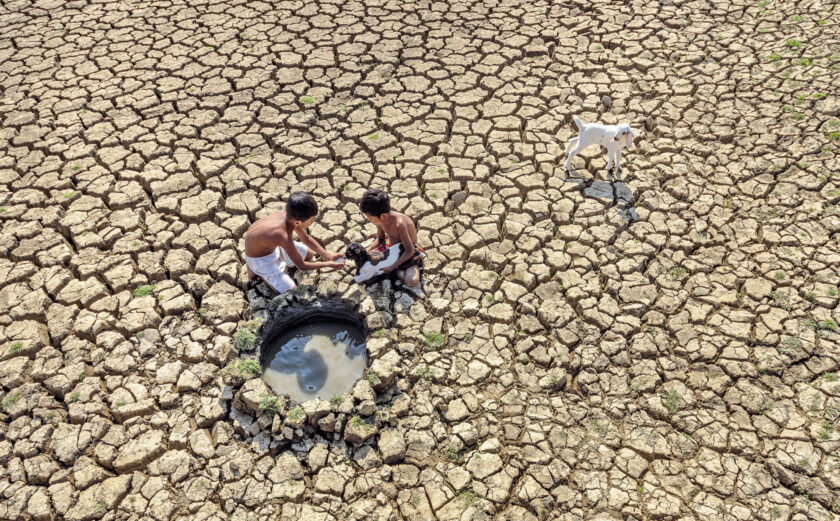
Ismail Ferdous Tells a “Forgotten Story” in Award-Winning Photos

Along the coast between the Bay of Bengal and southern Bangladesh lies the Sundarbans, a vast stretch of woodland and wildlife covering more than 6,200 square miles of land and sea. Home to the world’s largest mangrove forests, the region is also a hotspot for extreme weather. In 2007, Cyclone Sidr struck the entire southern coast, killing more than 3,000 people, according to Bangladesh officials. It was followed by Cyclone Aila, in 2009, which environmentalists say submerged the Sundarbans region in more than 20 feet of water.
 

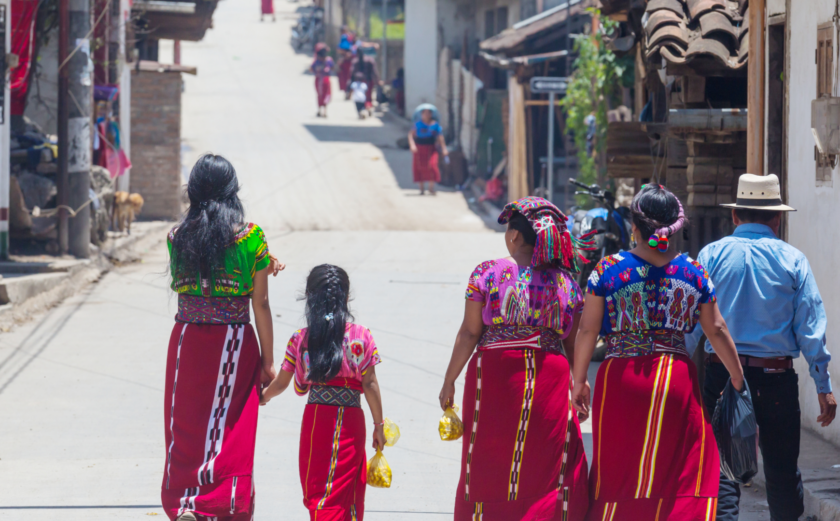
A Peace Corps Volunteer's Scary Brush with Malaria

I arrived home one afternoon to find my best friend in my village, Gifty, closing up her shop and preparing to go to the hospital. She told me that her two and a half-year-old son, Justice, was brought there by her husband Jackson and she was going to join them.

Glass Houses…INGOs and Walking the Walk on IATI

Over 40 governments, along with UN organizations and the World Bank, have committed to a common standard and time schedule for publishing aid information under the International Aid Transparency Initiative (IATI). There are high expectations for this initiative. The ultimate objective is to increase the effectiveness of donor assistance, making aid work for those whom we are trying to help and contributing to accelerated development outcomes on the ground.

US Involvement Key to Ending Extreme Poverty Post 2015

What do U.S. President Barack Obama, World Bank President Jim Yong Kim, and many civil society groups around the globe have in common?  A shared conviction that extreme poverty can be ended — within two decades.

Turning that dream into a reality for the 1.4 billion people still living on less than $1.25 a day requires the engagement of the U.S. development community as well as the leadership of the U.S. government in the post-2015 process.

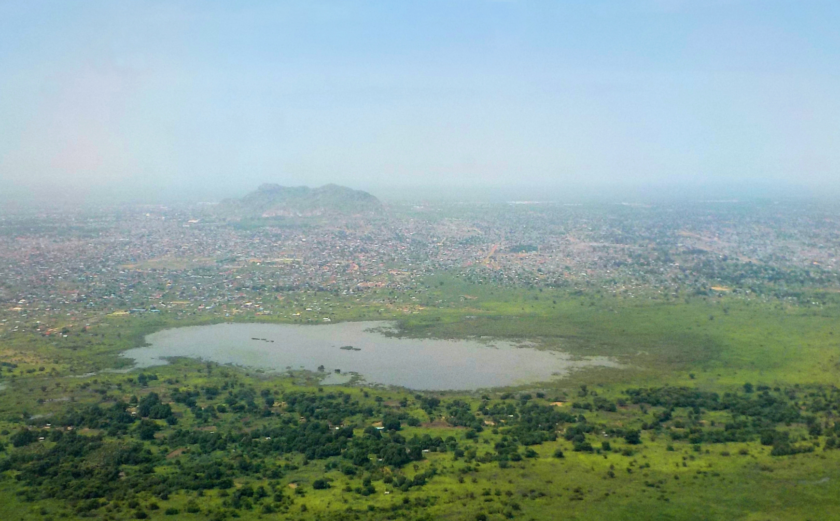
Commitment to Delivery of Basic Services, Role of Civil Society Critical in South Sudan’s Future

Last week, a delegation of ministers from the Government of the Republic of South Sudan were in DC to participate in the South Sudan Economic Partners Forum. Hosted by the U.S. and South Sudan in coordination with the European Union, Norway and the United Kingdom, more than forty other governments and international organizations were present to discuss with the South Sudanese officials their country’s current economic and development challenges and ways to address them.

Beyond Targets: Addressing Inequality Post 2015

Almost everyone acknowledges the importance of addressing inequality. But will it become a focus of the new post-2015 development agenda, and reinforce our priorities as a development community moving forward?

InterAction Analysis: President Obama's 2014 Budget

In the $3.77 trillion budget that President Obama unveiled this month, he includes $52 billion for the International Affairs Budget (150 account) for fiscal year (FY) 2014. Of that, $48.2 billion is for the account's "base" budget, while $3.8 billion is in Overseas Contingency Operations (OCO). How does that compare to past funding for these critical accounts? How does it break down for specific programs? Here's InterAction's analysis.

President’s Request Moves OCO Funding into the Base International Affairs Budget

Why Congress Should Care About the International Aid Transparency Initiative

As the long-dreaded sequestration process begins to set in, U.S. government programs that have already been feeling the heat of budget pressures are now starting to feel the pinch. Across all agencies and departments, there has never been such heightened vigilance to determine the quality, value, and effectiveness of taxpayer-funded programs in order to save them from landing on the proverbial chopping block. U.S. foreign assistance is no exception, and in fact, is likely to be a popular target despite notable progress over the past decade in how aid is delivered.

Pages

Subscribe to Latest Blog Entries