Forum 2026: A Community Ready for What’s Next
At a time of profound change for the humanitarian and development sector, Forum 2026 brought together leaders, practitioners, advocates, funders, and partners for two days of honest conversations, practical learning, and renewed connection. The message was clear: while the landscape is shifting, our community remains resilient, innovative, and committed to creating a better future.
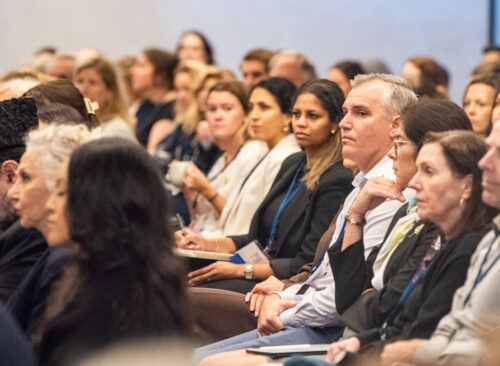
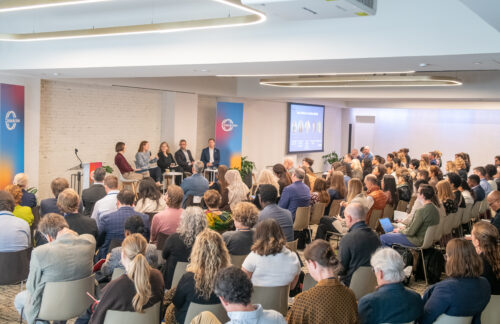
More than just a conference, Forum is where InterAction’s community comes together to take stock of where we are, learn from one another, and chart a path forward. This year, those conversations felt especially timely. Attendees explored a wide range of issues shaping the future of our work, from humanitarian financing and food security to global health, organizational transformation, localization, and leadership. Across every session, participants grappled with difficult questions while sharing practical solutions, emerging ideas, and lessons learned from the field.
Meeting the Moment
The sector is navigating tremendous uncertainty. Funding models are evolving. Humanitarian needs continue to grow. Organizations are being challenged to adapt while staying true to their missions. Rather than shying away from these realities, Forum participants tackled them head on.
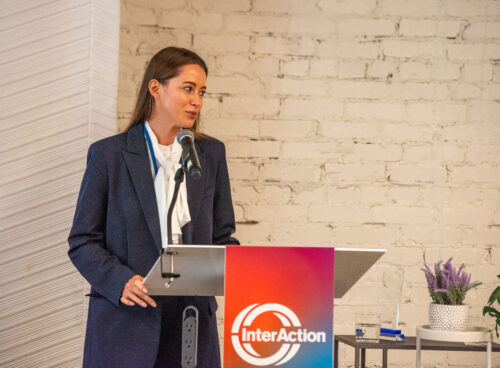
Main stage discussions brought together influential voices from across government, civil society, philanthropy, and the private sector to examine the changing landscape and identify opportunities for collective action.
Breakout sessions and expert clinics offered attendees practical tools and peer-driven insights they could immediately apply within their organizations.
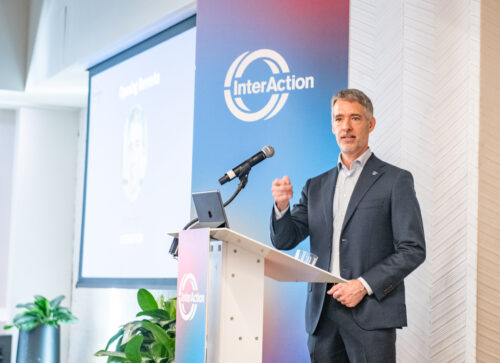
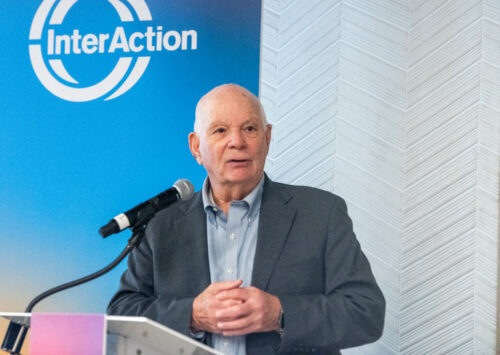
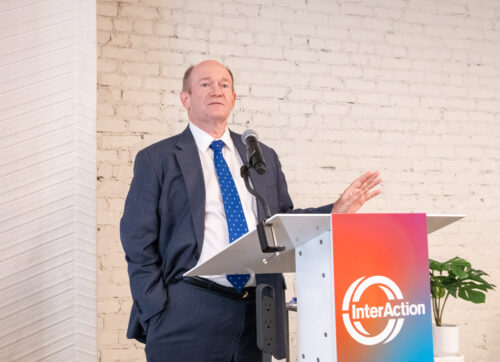
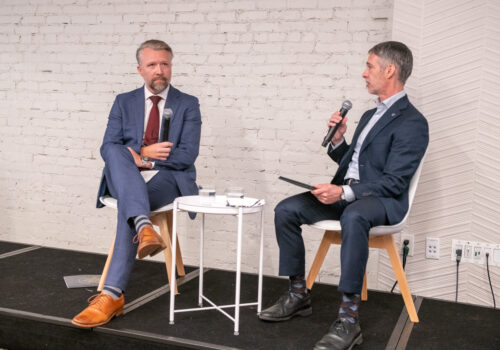
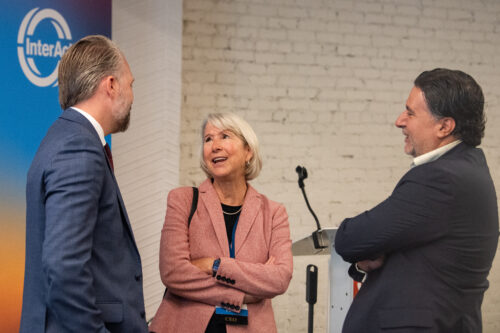
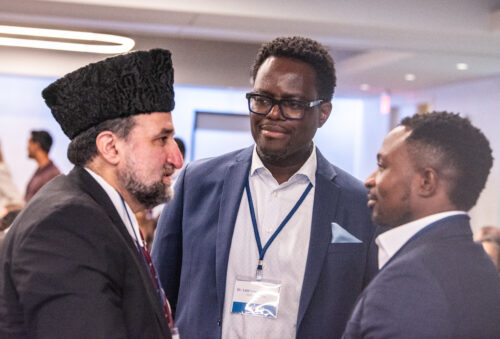
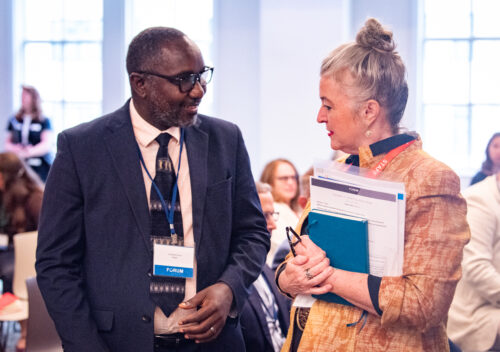
Just as important were the conversations that happened between sessions: in hallways, over coffee, during networking receptions, and around roundtables where colleagues exchanged ideas, challenged assumptions, and built new partnerships.
Spotlighting Critical Issues
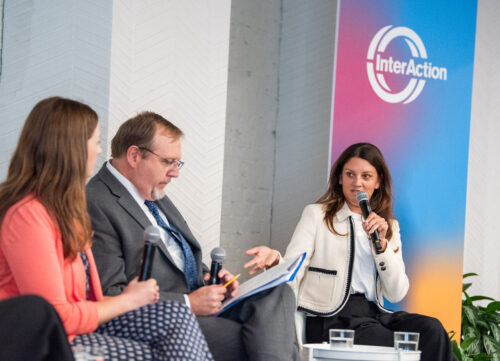
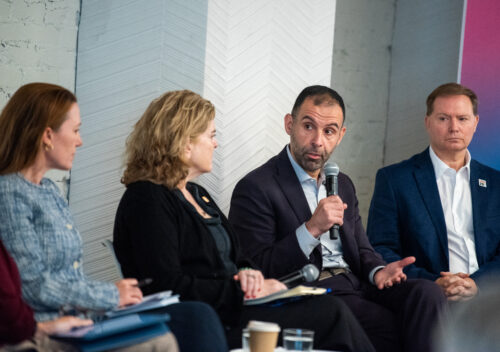
Several sessions stood out for their depth, relevance, and energy. The food security plenary explored both immediate humanitarian needs and long-term resilience strategies, bringing together leaders who are working to address one of the world’s most pressing challenges.
Day two opened with a dynamic health-focused discussion that examined how organizations are adapting to shifting global health priorities while continuing to meet urgent needs around the world. Other sessions tackled topics ranging from organizational change and leadership to localization, innovation, funding trends, partnerships, and the future of humanitarian action.
Celebrating Leadership and Impact
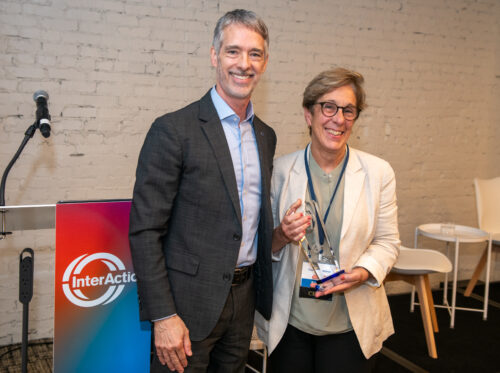
Forum also provided an opportunity to recognize extraordinary individuals and organizations whose work reflects the best of our community. One of the most memorable moments came during the presentation of the Julia V. Taft Outstanding Leadership Award to Tessie San Martin, whose decades of leadership have helped shape the international development sector and inspired countless colleagues across the community.
Attendees also celebrated recipients of InterAction’s Humanitarian Awards and Disability Inclusion Award, recognizing innovation, impact, and a commitment to serving communities around the world. These awards are a reminder that even amid significant challenges, there are leaders and organizations continuing to drive meaningful progress every day.
The Power of Community
If there was one theme that carried through every session, conversation, and gathering, it was the value of community. Forum reminded us that while organizations may face similar challenges, none of us has to navigate them alone. The opportunity to learn from peers, share experiences, and strengthen relationships remains one of the most valuable aspects of coming together each year.
Throughout the event, attendees consistently emphasized the importance of collaboration, partnership, and collective problem-solving. Those connections are often what spark new ideas, strengthen responses, and move the sector forward.
More Than Sessions: Experiences That Brought Learning to Life
Forum 2026 wasn’t limited to panel discussions and presentations. Throughout the event, attendees had opportunities to engage with new ideas in interactive and creative ways that sparked conversation long after sessions ended.
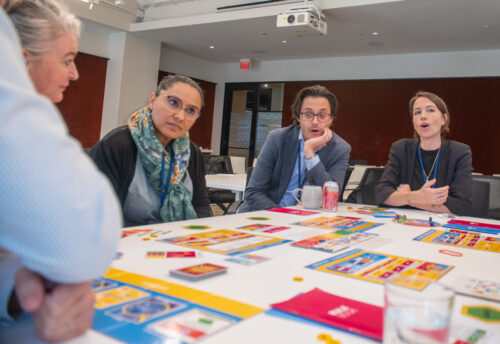
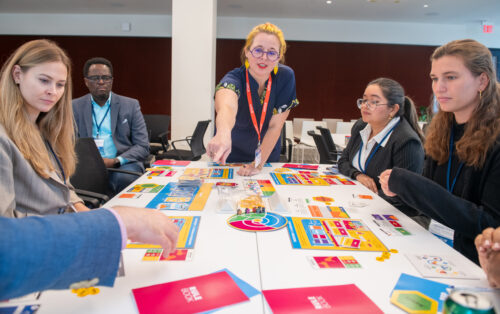
One standout experience was the protection simulation game, which challenged participants to navigate the complex realities of humanitarian decision-making. By placing attendees in realistic scenarios that required balancing competing priorities, risks, and resource constraints, the exercise offered a powerful reminder of the difficult choices humanitarian practitioners face every day. The simulation quickly became a talking point across the conference, generating lively discussion and reflection among participants.
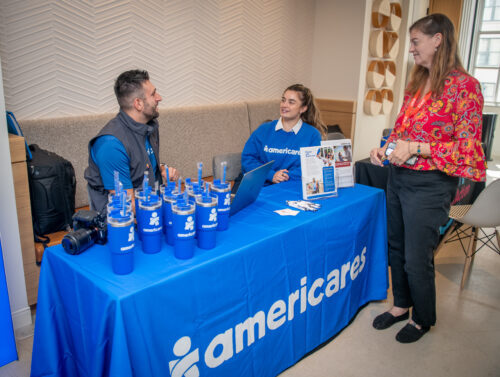
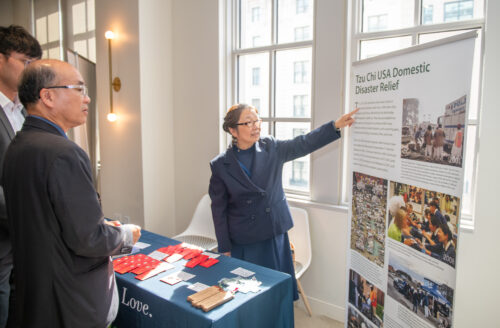
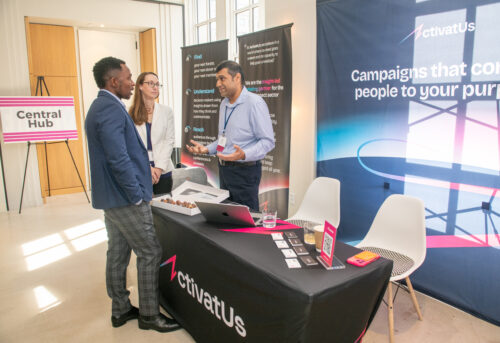
The Forum experience was also enriched by the generous support of our sponsors and partners. Their engagement helped create spaces for learning, networking, and collaboration throughout the conference. From thought-provoking discussions in sponsored sessions to conversations at exhibit booths and networking events, sponsors played an important role in bringing together diverse perspectives from across the humanitarian and development community.

Looking Ahead
As Forum 2026 came to a close, participants left with new ideas, new connections, and a renewed sense of purpose. The challenges facing the humanitarian and development community are significant, but so is our collective capacity to respond.
Across two days of discussion and learning, Forum showcased a sector that is adapting, innovating, and finding new ways to advance its mission. Most importantly, it demonstrated that even in moments of uncertainty, our community remains focused on what matters most: supporting people, strengthening communities, and driving lasting change.
Thank you to our speakers, sponsors, partners, volunteers, and attendees for making Forum 2026 such a success. We look forward to continuing these conversations throughout the year and welcoming our community back for Forum 2027.
Related Updates
Big Ideas, Bold Conversations, Lasting Connections: Inside Forum 2026
AI for Development: Promise, Peril, and Policy


InterAction Hosts First Session in New ConnectAid Series


Meaningful Refugee Participation at the Global Refugee Forum