U.S. Security Partnership With Mali and the Protection of Civilians
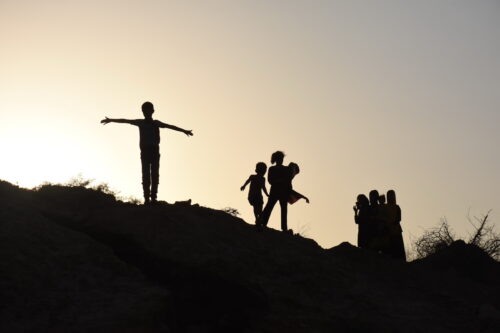
The United States provided $146 million in humanitarian and health assistance to Mali in 2020 while only sending $16.56 million…
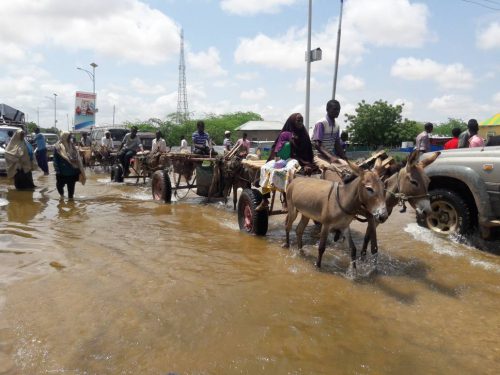
Gu, Somalia's “season of long rains,” revives the pastures and grazing lands — and often delivers death and destruction.
InterAction, the leading alliance of international non-governmental organizations (NGOs) and partners in the United States, issued the following statement in response to recent staffing reductions impacting USAID.
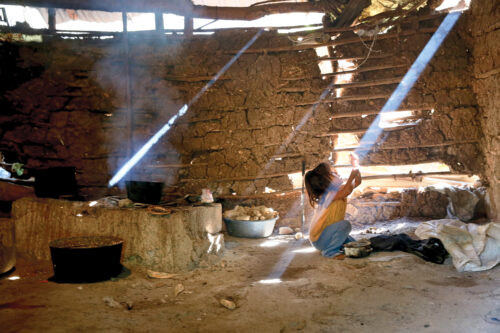
Surging bureaucratic and administrative impediments (BAI) across Latin America are an increasing challenge to humanitarian access and a barrier to…
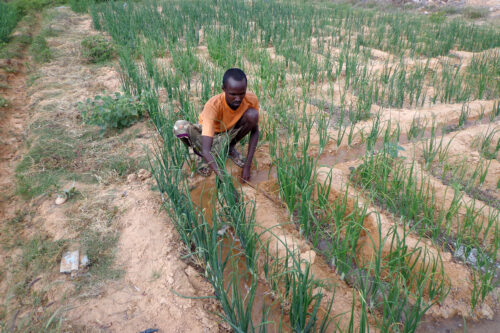
Two major climate trends are reshaping the humanitarian landscape: the increasing frequency of acute, high-cost disasters and…
On November 25, 1960, agents of the Dominican Republic’s Trujillo dictatorship brutally murdered Patria, Minerva, and Teresa Mirabel, three activists…
InterAction’s GBV Working Group will be publishing a blog series for the 16 Days of Activism dedicated to the role of women’s movements across crises and conflicts. Each of these blogs will showcase the centrality and role of either individual women or women-led movements and organizations across nine country or regional contexts.
Aid workers are increasingly being targeted by armed actors who seek to intimidate, coerce, or disrupt aid operations for strategic gains. In Gaza and South Sudan, in Yemen and the Central African Republic, disinformation campaigns are fueling hostility toward aid agencies. These threats not only endanger the lives of those dedicated to humanitarian action but also severely hinder access to essential aid for millions of vulnerable people in conflict-affected areas.
The brutal hostilities we are seeing in multiple conflicts around the world have exposed a terrible truth: We are living in an era of impunity. Attacks that kill or injure civilians, including humanitarian and health-care personnel, are devastatingly common. Yet despite widespread condemnation, serious violations of the rules of war too often go unpunished.