Event
Leadership in Times of Uncertainty: Navigating Organizational Resilience
September 26, 2023
USAID’s draft 2022 Resilience Policy Revision makes significant progress toward resilience becoming a multisectoral priority. However, some adjustments and additions…



We must tackle climate change if we want to tackle poverty. Building resilience is critical.

In 2025, the early impacts of artificial intelligence (AI) moved from promise to reality, reshaping nearly every sector of the…
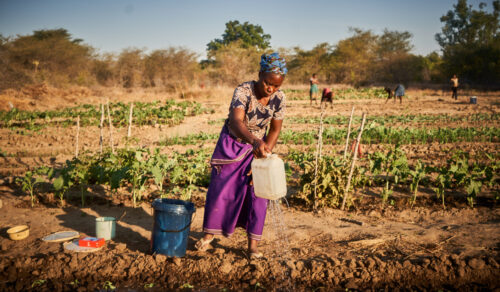
"That's the stuff that really ensures we don't have to respond in a more costly way to an emergency, where you're doing prevention work, building resilience and getting people out of poverty. That piece in particular has been decimated in this package," InterAction's Lisa Bos says.

WASHINGTON, D.C. – InterAction released the following statement on the consolidation of USAID and the Department of State. Since 1961,…

“This represents a stark retreat from America’s longstanding commitment to easing suffering, saving lives, and helping communities build their own path to prosperity,” said Tom Hart, President and CEO of InterAction.

"Without proper development programming to build resilience and self-sufficiency, countries will remain perpetually dependent on short-term fixes and emergency humanitarian assistance—creating an endless cycle that ultimately costs American taxpayers more, not less."